
What Is Restorative Yoga? Benefits, Poses, and How It Helps Reduce Stress
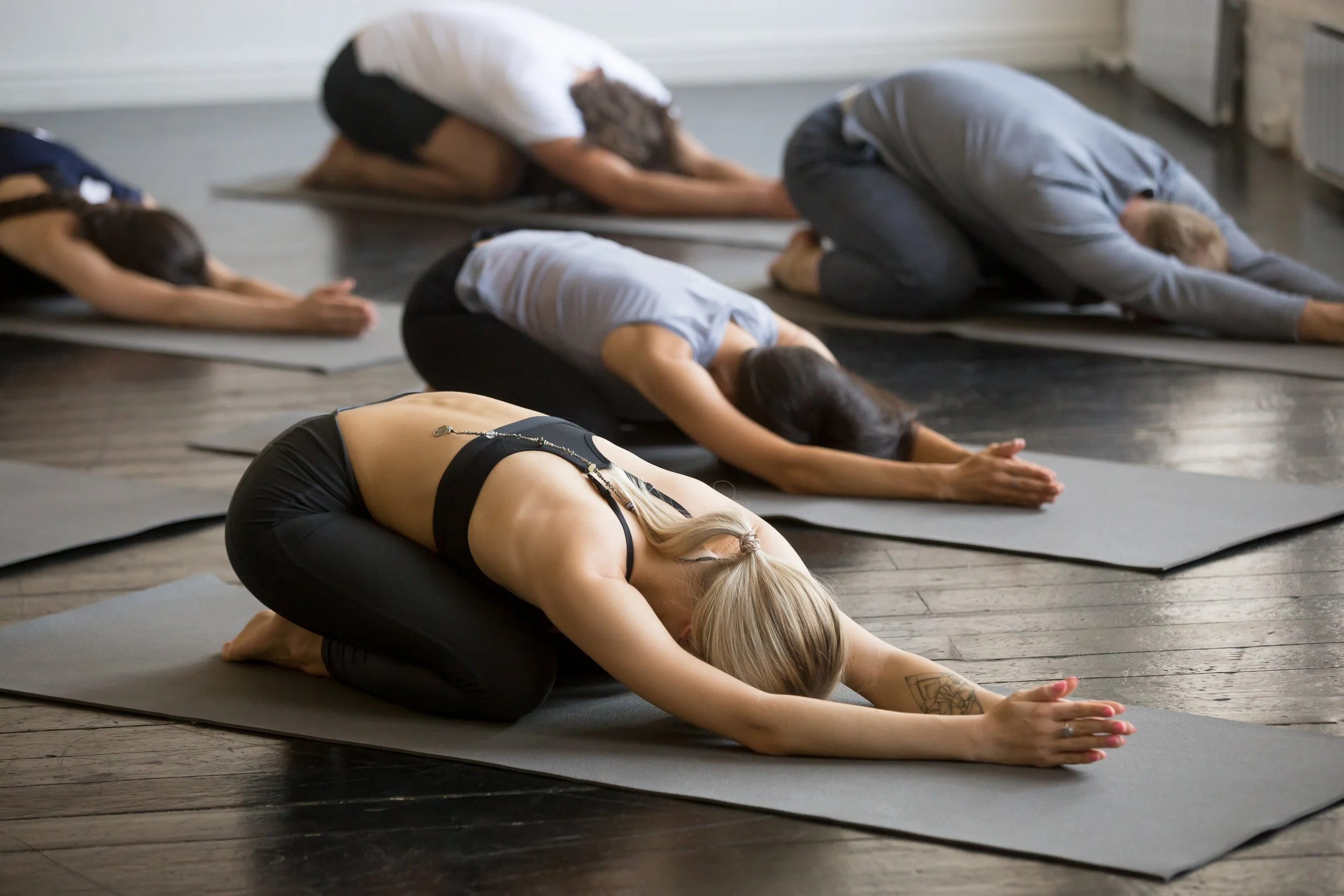
In today's fast-paced world, many people find themselves feeling overwhelmed, mentally exhausted, and physically tense. As individuals search for ways to slow down and reconnect with their well-being, restorative yoga has become an increasingly popular practice. One of the most common questions beginners ask is what is restorative yoga and how it differs from other styles of yoga.
Unlike more active forms of yoga that focus on strength, flexibility, or movement, restorative yoga emphasizes stillness, relaxation, and deep rest. Understanding what is restorative yoga can help you determine whether this gentle practice may be a valuable addition to your wellness routine.
What Is Restorative Yoga?
Let's begin with the basics.
What is restorative yoga exactly?
Restorative yogais a gentle practice that uses supported positions and extended periods of relaxation to encourage physical, mental, and emotional restoration. Participants typically hold poses for several minutes while using props such as bolsters, blankets, blocks, and cushions for comfort.
A simplerestorative yoga description would be a practice designed to help the body and mind slow down, relax, and recover from the effects of daily stress. Unlike more physically demanding yoga styles, restorative yoga focuses on comfort, ease, and mindful relaxation.
As more individuals discover what is restorative yoga, they are finding it to be an accessible practice for supporting overall wellness.
How is Restorative Yoga Different from Other Yoga Styles?
Many people assume all yoga classes involve continuous movement and challenging postures.
A restorative yoga class is different because it prioritizes stillness over activity. Rather than moving through a sequence of poses, participants spend longer periods resting in supported positions that encourage deep relaxation.
The goal is not physical exertion but rather creating an environment where the body can rest and reset.
For those exploring what is restorative yoga, this slower pace is often one of its most appealing qualities.
The Benefits of Restorative Yoga
The growing popularity of restorative yoga is closely connected to its ability to support overall well-being.
Restorative Yoga for Stress Relief
One of the most recognized benefits of the practice is restorative yoga for stress relief.
Daily responsibilities, work demands, and constant stimulation can cause significant strain on the nervous system. Restorative yoga encourages the body to shift into a more relaxed state, helping individuals slow down and release accumulated tension.
Many people incorporate restorative yoga into their wellness routines specifically to create intentional moments of rest.
Restorative Yoga for Anxiety
Many individuals also explore restorative yoga for anxiety because of its calming nature.
The practice encourages mindful awareness, slower breathing, and physical relaxation, all of which can support emotional well-being and help create a greater sense of calm.
While experiences vary from person to person, many participants report feeling more grounded after a session.
Gentle Yoga Benefits
Among the many gentle yoga benefits are:
Improved relaxation
Reduced physical tension
Greater body awareness
Enhanced mindfulness
Better emotional balance
Support for overall wellness
Because restorative yoga is accessible to many experience levels, it can be a welcoming option for beginners and experienced practitioners alike.
Common Restorative Yoga Poses
A restorative practice often includes several supported positions designed to encourage comfort and relaxation.
Some commonly used restorative poses include:
Supported Child's Pose
This gentle position uses cushions or bolsters to support the body while encouraging relaxation throughout the back, shoulders, and hips.
Reclined Butterfly Pose
One popular restorative pose involves reclining comfortably while allowing the hips and chest to open gently.
Legs-Up-the-Wall Pose
Often included in restorative sessions, this position promotes relaxation while encouraging stillness and comfort.
These restorative yoga postures are typically held for longer periods than those found in more active yoga styles.
Understanding Restorative Yoga Asanas
The term restorative yoga asanas refer to the supported positions used throughout the practice.
Unlike physically demanding yoga sequences, restorative asanas are selected to encourage ease and comfort rather than effort.
Many practitioners find these positions especially helpful when seeking opportunities to rest and recharge.
As individuals continue learning what is restorative yoga, they often discover that these supported poses help create a deeper sense of relaxation than they expected.
What to Expect During a Restorative Yoga Class
If you are considering attending a restorative yoga class, understanding what to expect can help you feel more comfortable.
A typical session may include:
Gentle guided instruction
Supported resting positions
Mindful breathing
Quiet reflection
Extended relaxation periods
There is no need for advanced flexibility or previous yoga experience. The focus is on comfort, mindfulness, and allowing the body to relax.
Many participants leave feeling calmer, more balanced, and mentally refreshed.
The RHOW Approach to Restorative Wellness
At RHOW, we believe meaningful wellness begins with creating space for restoration and self-care. Our practitioners provide a nurturing environment where individuals can step away from daily stress and focus on their well-being. Whether you are new to yoga or continuing your wellness journey, restorative practices can offer valuable opportunities for relaxation and renewal. Our goal is to support each individual through personalized wellness experiences that encourage balance, mindfulness, and long-term well-being.
Who May Benefit from Restorative Yoga?
Restorative yoga may be beneficial for individuals who:
Experience chronic stress
Feel mentally overwhelmed
Have demanding schedules
Seek relaxation and mindfulness
Want a gentle movement practice
Are looking for natural wellness support
For many people exploring what is restorative yoga the practice becomes an important part of maintaining balance and self-care.
Conclusion
Understanding what restorative yoga is can open the door to a wellness practice centered on rest, mindfulness, and renewal. Through supported poses, gentle movement, and intentional relaxation, restorative yoga offers a unique opportunity to slow down and reconnect with yourself.
Whether you are seeking restorative yoga for stress relief, exploring restorative yoga for anxiety, or simply looking for a gentler approach to wellness, this practice can provide meaningful support for both body and mind.
FAQs
Q1: What is restorative yoga?
What is restorative yoga a common question among beginners? It is a gentle style of yoga that uses supported poses and extended relaxation to promote physical, mental, and emotional well-being.
Q2: Is restorative yoga suitable for beginners?
Yes. A restorative yoga class is often ideal for beginners because it focuses on comfort, relaxation, and gentle movement rather than physical intensity.
Q3: Can restorative yoga help with stress?
Many people practice restorative yoga for stress relief because it encourages relaxation and supports overall emotional well-being.
Q4: What should I bring to a restorative yoga class?
Comfortable clothing is usually recommended. At RHOW, we create a welcoming and supportive environment so that participants can fully enjoy their restorative wellness experience.
Schedule your wellness experience today and discover the restorative benefits of intentional self-care.