
Improve Sleep Quality with Reflexology: Benefits, Relaxation, and Healthy Sleep Habits
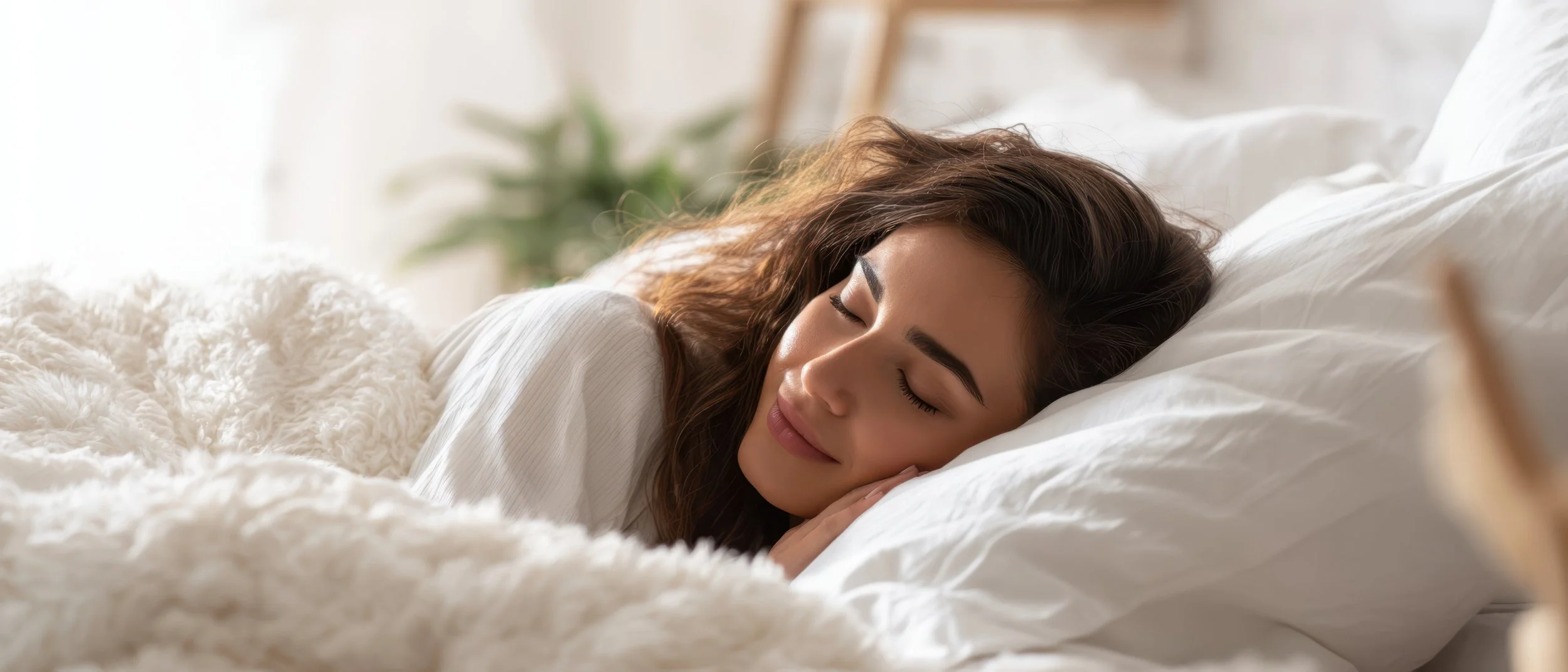
A good night's sleep does more than help you feel rested. It supports your energy, focus, mood, immune function, and overall well-being. Yet for many people, achieving consistent sleep quality can be challenging. Everyday stress, busy schedules, and difficulty unwinding often make it harder to fall asleep or wake feeling refreshed.
While there's no single solution for better sleep, creating a calming bedtime routine can make a meaningful difference. Reflexology is one wellness practice that many people incorporate into their self-care routine to encourage relaxation and support healthier sleep habits.
At RHOW, reflexology is offered as part of a holistic approach to wellness, helping individuals create space to slow down, relax, and care for both body and mind.
Why Sleep Quality Matters
Sleep isn't just about the number of hours you spend in bed. Sleep quality refers to how well you sleep, how often you're interrupted during the night, and whether you wake feeling restored.
Consistently poor sleep may affect:
Energy levels throughout the day
Concentration and mental clarity
Mood and emotional well-being
Physical recovery
Overall sleep health
Improving sleep often begins by addressing the habits and routines that influence how your body prepares for rest.
How Reflexology Supports Relaxation
Reflexology therapy is a gentle wellness practice that involves applying pressure to specific points on the feet. Sessions are designed to create a calming experience that encourages relaxation and mindfulness.
Although reflexology is not intended to treat insomnia or other medical conditions, many individuals choose it as part of their wellness routine because it provides dedicated time to unwind from the demands of everyday life.
Feeling more relaxed before bedtime may make it easier to establish routines that support better sleep quality over time.
Foot Reflexology and Sleep
The feet contain numerous reflex points that are the focus of foot reflexology sessions. During an appointment, a practitioner applies gentle pressure using techniques designed to promote comfort and relaxation.
Many people appreciate the quiet, restorative nature of reflexology. Taking time away from constant activity, screens, and daily responsibilities can help create a greater sense of calm before bedtime.
For individuals exploring reflexology for sleep, the experience is often valued less for immediate results and more as part of a consistent self-care practice that supports overall wellness.
Can Reflexology Help with Sleep?
Research on reflexology and sleep is still evolving. Some studies suggest reflexology may help promote relaxation and improve perceived well-being in certain populations, while more high-quality research is needed to fully understand its effects on sleep outcomes.
For this reason, reflexology is best viewed as a complementary wellness practice rather than a treatment for sleep disorders.
Many clients who seek reflexology for insomnia are looking for natural ways to create a more relaxing bedtime routine alongside healthy lifestyle habits and guidance from their healthcare provider when appropriate.
Healthy Sleep Habits That Support Better Rest
Improving sleep quality often involves small, consistent changes that encourage your body to prepare for sleep naturally.
Consider incorporating these healthy sleep habits into your evening routine:
Keep a consistent bedtime and wake-up schedule.
Reduce screen time before bed.
Create a quiet, comfortable sleep environment.
Limit caffeine later in the day.
Practice breathing exercises or other relaxation techniques.
Set aside time for restorative self-care, such as reflexology or gentle stretching.
These habits work together to support long-term sleep health and overall well-being.
What to Expect During a Reflexology Session
A reflexology session at RHOW begins with a conversation about your wellness goals and overall lifestyle.
You'll then relax comfortably while your practitioner applies gentle pressure to specific reflex points on the feet. Sessions are quiet, unhurried, and designed to create an environment where you can fully disconnect from everyday demands.
Many clients leave feeling refreshed, grounded, and better prepared to continue their evening with a greater sense of calm.
A Holistic Approach to Sleep Health
Quality sleep is influenced by many factors, including stress, daily routines, nutrition, physical activity, and emotional well-being.
Rather than focusing on one element alone, a holistic approach considers how these areas work together. Reflexology can become one part of that larger wellness picture, complementing healthy sleep habits and other supportive practices that encourage balance and relaxation.
At RHOW, our goal is to help individuals create sustainable wellness routines that support both restful nights and healthier days.
Frequently Asked Questions
1. Can reflexology improve sleep quality?
Many people include reflexology in their wellness routine because it encourages relaxation and helps create a calming environment before bedtime. Individual experiences vary, and reflexology is considered a complementary wellness practice.
2. Is reflexology a treatment for insomnia?
No. Reflexology is not intended to diagnose or treat insomnia or other sleep disorders. If you're experiencing ongoing sleep concerns, it's important to speak with a qualified healthcare provider.
3. What happens during a reflexology session?
A practitioner applies gentle pressure to specific points on the feet while you relax comfortably. Sessions are designed to encourage relaxation and support overall well-being.
4. How often should I receive reflexology?
The ideal schedule depends on your personal wellness goals. Your practitioner can recommend a frequency that fits your needs and lifestyle.
Better Sleep Begins with Better Self-Care
Improving sleep quality is often the result of small, intentional habits practiced consistently over time. Whether you're refining your bedtime routine or exploring complementary wellness therapies, creating time to relax can be an important step toward more restorative rest.
Discover reflexology at RHOW and support your journey toward better sleep quality.