
Sciatica can make everyday activities uncomfortable. Pain may travel from the lower back into the buttock and down the leg, sometimes accompanied by tingling, numbness, or weakness.
If you are looking for options beyond conventional pain management, you may have come across acupuncture for sciatica nerve symptoms. Acupuncture is used as a complementary approach for different types of pain, but whether it is appropriate depends on what is causing your symptoms.
So, does acupuncture help sciatica? It may help some people manage pain and discomfort, but it should not be viewed as a guaranteed treatment or a replacement for medical evaluation.
What Causes Sciatica?
Sciatica is a term used to describe symptoms that occur when the sciatic nerve or its associated nerve roots become irritated or compressed.
Common causes include:
A herniated or bulging disc
Narrowing of the spinal canal
Bone changes in the spine
Certain injuries
Muscle or movement-related problems
Symptoms can vary considerably. Some people experience mainly pain, while others may also notice numbness, tingling, or weakness in the leg.
Understanding the cause matters because acupuncture for sciatica treatment may be more appropriate for some situations than others.
Can Acupuncture Help Sciatica?
One of the most common questions is, does acupuncture help sciatica?
Research on acupuncture for low back and related pain suggests that it may provide pain relief for some people. However, evidence specifically focused on sciatica is more limited, and results are not consistent enough to say that acupuncture will work for everyone.
Acupuncture may be considered as part of a broader approach to pain management, particularly when the goal is to improve comfort and daily function.
It is important to remember that reducing pain does not necessarily mean the underlying cause has been corrected.
How Does Acupuncture for Sciatica Work?
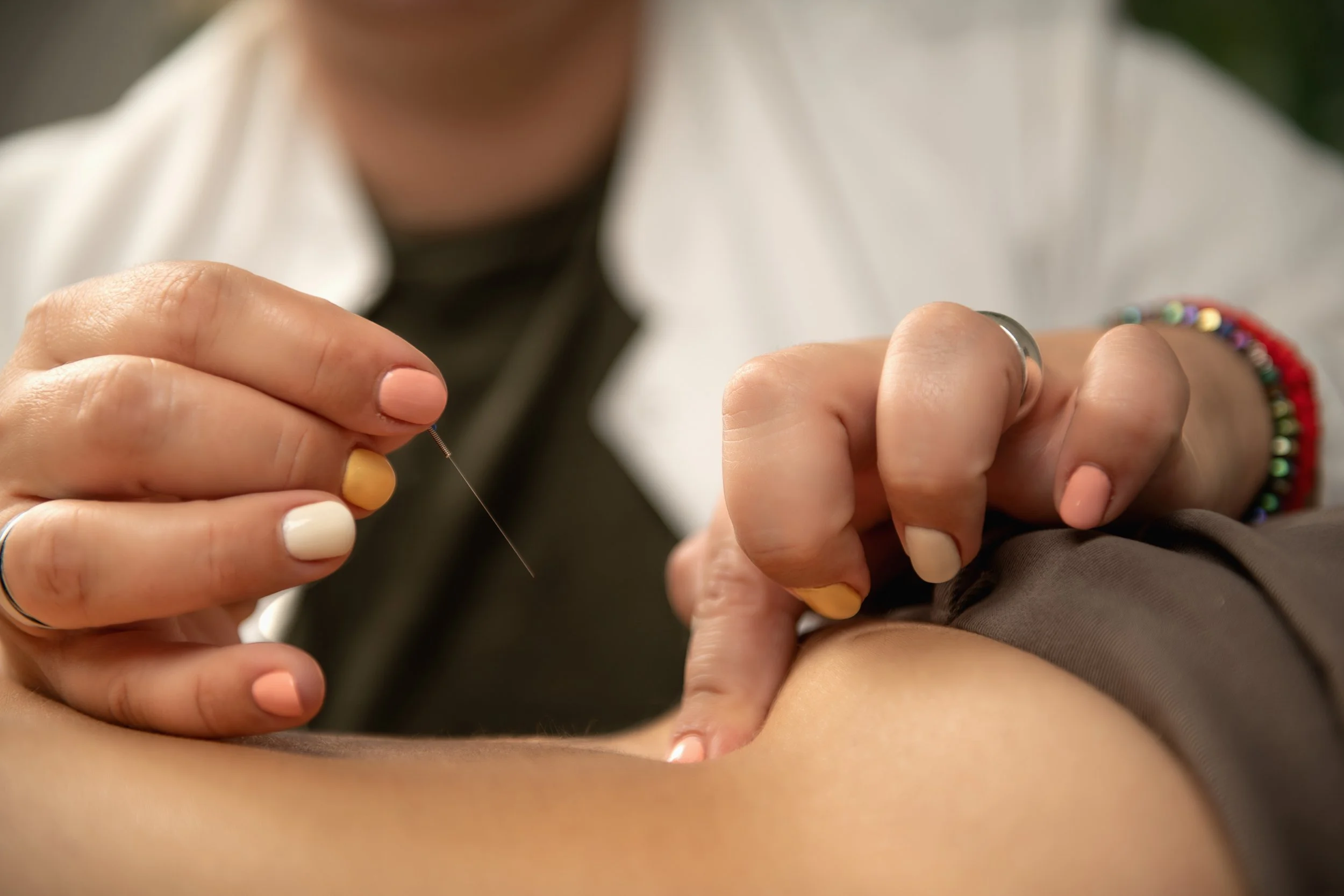
During acupuncture, very thin needles are inserted into selected points on the body.
For someone seeking acupuncture for sciatica nerve pain, the practitioner may consider more than the location of the pain itself. They may ask about your symptoms, movement, health history, and other factors before selecting treatment points.
The exact mechanisms behind acupuncture are still being studied. Research suggests that acupuncture may influence nervous-system activity and processes involved in pain perception.
The response is individual, so treatment should be based on your specific symptoms rather than a standard set of points for everyone with sciatica.
What Can You Expect During Treatment?
An acupuncture session typically begins with a conversation about your symptoms and health history.
Your practitioner may ask:
Where does the pain begin?
Does it travel down the leg?
When did your symptoms start?
Do you experience numbness or tingling?
What activities make the pain better or worse?
Have you tried other treatments?
Once your practitioner understands your symptoms, they can determine whether acupuncture is appropriate and develop an individualized approach.
During treatment, very fine needles are placed at selected acupuncture points while you remain comfortably positioned.
Some people experience a mild sensation when the needles are inserted, while others feel very little.
What About Cupping and Sciatica?
Cupping is another complementary practice that people sometimes explore alongside acupuncture.
Cupping and sciatica are often discussed together because both may be included in broader approaches to managing muscle tension and discomfort.
During cupping, cups are placed on the skin to create suction. The technique can leave temporary circular marks or discoloration that usually fades over time.
Is Cupping Good for Sciatica Pain?
If you are wondering, is cupping good for sciatica pain, there is not enough evidence to say that cupping is a proven treatment for sciatica itself.
Some people may find cupping helpful for short-term muscle discomfort or tension, but it should not be assumed to resolve nerve compression or another structural cause of sciatica.
A qualified practitioner can help determine whether cupping is appropriate for your individual situation.
Acupuncture and Pain Management
Managing sciatica often involves more than one approach.
Depending on the cause and severity of your symptoms, a care plan may include movement, physical therapy, medication, lifestyle adjustments, or other treatments recommended by a healthcare professional.
Acupuncture can potentially serve as a complementary option for pain relief rather than replacing appropriate medical care.
If symptoms continue or interfere with daily activities, identifying the underlying cause should remain a priority.
When Should You See a Doctor?
Not all sciatica symptoms should be managed with complementary therapies alone.
Seek medical attention if you have severe or worsening symptoms, significant leg weakness, or persistent numbness.
Sudden loss of bladder or bowel control, numbness around the groin or inner thighs, or severe weakness requires urgent medical evaluation.
These symptoms can indicate a more serious nerve problem and should not be delayed while trying acupuncture or other complementary treatments.
Is Acupuncture Right for Your Sciatica?
Acupuncture and Pain Management: A Personalized Approach
Acupuncture for sciatica nerve symptoms may be worth discussing if you are looking for a complementary approach to pain management.
It may help some people with pain and discomfort, but results vary. Acupuncture also cannot be assumed to correct the underlying cause of nerve irritation or compression.
A proper assessment can help determine whether acupuncture, cupping, or another approach makes sense for your symptoms.
Frequently Asked Questions
1. Does acupuncture help sciatica?
Acupuncture may help some people manage sciatica-related pain, but research specifically on sciatica is limited. It should be considered a complementary approach rather than a guaranteed treatment.
2. How many acupuncture sessions are needed for sciatica?
There is no standard number of sessions. Your treatment plan depends on your symptoms, health history, response to treatment, and practitioner assessment.
3. Is cupping good for sciatica pain?
Cupping may help with some types of muscle discomfort, but there is limited evidence that it directly treats sciatica or its underlying cause.
4. Can acupuncture cure sciatica?
Acupuncture should not be presented as a cure for sciatica. It may help manage pain or discomfort for some people while the underlying cause is addressed separately.
5. Can I combine acupuncture and cupping?
Acupuncture and cupping may sometimes be used together as complementary practices. Whether they are appropriate depends on your symptoms and overall health.
Explore a Personalized Approach to Pain Management
Sciatica can have different causes, so treatment should start with understanding what may be behind your symptoms.
If you are considering acupuncture as part of your pain management approach, speak with a qualified practitioner about whether it is appropriate for you.
Book a consultation with RHOW to explore your wellness and pain-management options.