
Does Lymphatic Drainage Work or Is It Just a Trend? 7 Facts You Should Know
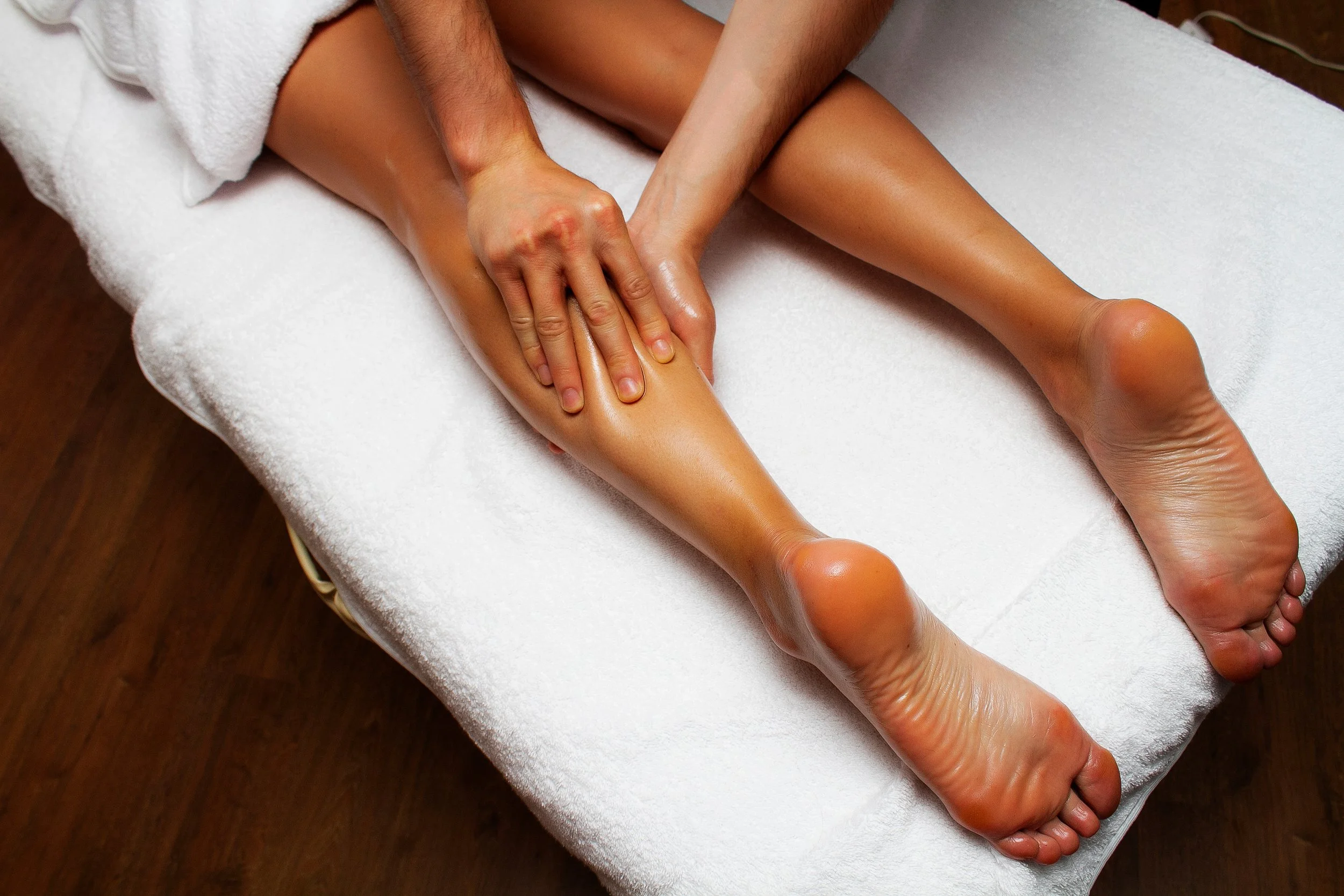
Social media has brought increased attention to wellness therapies that promise everything from reduced bloating to improved recovery. Among the most talked about treatments is lymphatic drainage massage. As its popularity continues to grow, many people are asking the same question: does lymphatic drainage work?
The short answer is that lymphatic drainage massage has been used for decades to support the body's natural lymphatic system. While online trends may exaggerate certain claims, understanding the facts can help separate realistic benefits from unrealistic expectations.
If you've been wondering does lymphatic drainage work, these seven facts can help you better understand what this therapy does and whether it may be right for you.
Fact 1: The Lymphatic System Plays an Important Role in Health
Before exploring whether lymphatic drainage work, it helps to understand the lymphatic system itself.
The lymphatic system is part of the body's natural immune and waste-removal network. It helps transport lymph fluid, remove waste products, and supports immune function.
Unlike the circulatory system, the lymphatic system does not have a central pump. It relies on movement, breathing, and muscle activity to keep fluid moving effectively.
When lymphatic flow becomes sluggish, some individuals may experience swelling, fluid retention, or feelings of heaviness.
Fact 2: Lymphatic Drainage Is a Real Therapeutic Technique
One of the most common questions people ask is: is lymphatic drainage real?
Yes. Lymphatic drainage massage is a recognized therapy that uses gentle, rhythmic movements to encourage the movement of lymph fluid throughout the body.
The treatment is commonly used to support recovery, reduce swelling, and encourage healthy circulation.
For those asking does lymphatic drainage work, understanding that it is an established therapeutic technique rather than a social media invention is an important starting point.
Fact 3: Lymphatic Drainage Massage Is Different from Traditional Massage
Many people assume all massages work the same way, but lymphatic drainage is unique. Unlike deep tissue or sports massage, lymphatic drainage uses very light pressure and specific techniques designed to encourage fluid movement. Because the approach is gentle, many individuals find the treatment deeply relaxing. When considering does lymphatic drainage work, it is important to understand that its purpose is not muscle manipulation but support of the lymphatic system.
Fact 4: Many People Report Reduced Swelling and Bloating
One reason people seek treatment is the potential reduction of temporary fluid retention.
This often leads individuals to ask; do lymphatic drainage massages work for bloating and swelling?
Many people report feeling lighter and less puffy after treatment, particularly when fluid retention is contributing to their symptoms.
While individual experiences vary, these improvements are among the most commonly reported benefits.
This is one reason why discussions around lymphatic drainage work continue to gain attention within wellness communities.
Fact 5: It May Support Recovery and Overall Wellness
Lymphatic drainage is often incorporated into broader wellness routines.
Many individuals seek treatment after periods of stress, travel, inactivity, or physical strain.
Those wondering does lymphatic drainage massage really work often find that the benefits extend beyond temporary relaxation.
Potential wellness benefits may include:
Reduced feelings of heaviness
Improved circulation
Relaxation and stress relief
Support for recovery
Enhanced sense of well-being
While results vary, these experiences contribute to why many people continue scheduling sessions regularly.
Fact 6: Lymphatic Massage Can Be Safe for Many Individuals
Another common question is: are lymphatic massages safe? For many healthy individuals, lymphatic drainage massage is generally considered a gentle and well-tolerated treatment. However, certain medical conditions may require additional guidance before receiving treatment. A qualified practitioner can help determine whether lymphatic drainage is appropriate for your individual circumstances. Understanding safety considerations is important when evaluating lymphatic drainage work for your wellness goals.
Fact 7: Results Are Often Best When Combined with Healthy Habits
One misconception is that lymphatic drainage works as a standalone solution. Wellness outcomes are often influenced by hydration, movement, nutrition, sleep, and overall lifestyle habits. People who ask are lymphatic massages good for you may find that treatment works best when paired with a healthy routine that supports natural lymphatic function. This is also why many practitioners encourage a comprehensive wellness approach rather than relying on any single therapy.
The RHOW Approach to Lymphatic Wellness
At RHOW, every treatment begins with understanding your individual needs and wellness goals. Our practitioners take a personalized approach to care, creating experiences that support relaxation, restoration, and overall well-being.
Whether you are seeking support for recovery or general wellness, our focus remains on helping you feel balanced and supported in a calm, restorative environment. We believe meaningful wellness comes from addressing the whole person rather than focusing solely on symptoms.
Many individuals have questions like, "Does lymphatic drainage work?" A customized consultation might offer insightful information about whether this therapy is in line with their objectives.
Are There Any Side Effects?
Most people tolerate treatment well, but some individuals may notice mild temporary responses.
Potential side effects of lymphatic drainage massage may include:
Increased urination
Mild fatigue
Temporary lightheadedness
Increased thirst
These effects are often short-lived and may occur as the body adjusts following treatment.
Understanding potential responses can help individuals make informed decisions when evaluating lymphatic drainage is legit and appropriate for their needs.
Conclusion
So, does lymphatic drainage work?
For many individuals, lymphatic drainage massage can be a valuable wellness therapy that supports circulation, relaxation, recovery, and overall well-being. While it is not a cure-all solution, it is far more than a passing trend.
Understanding how the lymphatic system functions and what treatment can realistically provide helps answer the question of does lymphatic drainage work with greater confidence.
As with any wellness therapy, the best results often come from a personalized approach that considers your unique health goals and lifestyle.
FAQs
Q1: Does lymphatic drainage work for everyone?
Results vary from person to person. While many individuals report positive experiences, outcomes depend on factors such as overall health, lifestyle, and treatment goals.
Q2: Is lymphatic drainage legit or just a trend?
Is lymphatic drainage legit is a common question. The therapy itself is a recognized technique used to support lymphatic function, although social media may sometimes exaggerate certain claims.
Q3: Are lymphatic massages good for you?
Many people find benefits such as relaxation, reduced swelling, and improved well-being. Whether lymphatic massages are good for you depends on your individual needs and health status.
Q4: Are lymphatic massages safe?
For many people, with doubts like “are lymphatic massages safe” is answered with yes when performed by a qualified practitioner. At RHOW, treatments are tailored to your comfort and wellness needs to help ensure a supportive experience.
Support Your Wellness Naturally
If you're curious about lymphatic drainage and how it may fit into your wellness journey, personalized guidance can help you make an informed decision.
Schedule your appointment today and discover a thoughtful approach to relaxation, recovery, and whole-body wellness.