
Cupping Therapy vs Acupuncture: Which One Is Right for You?
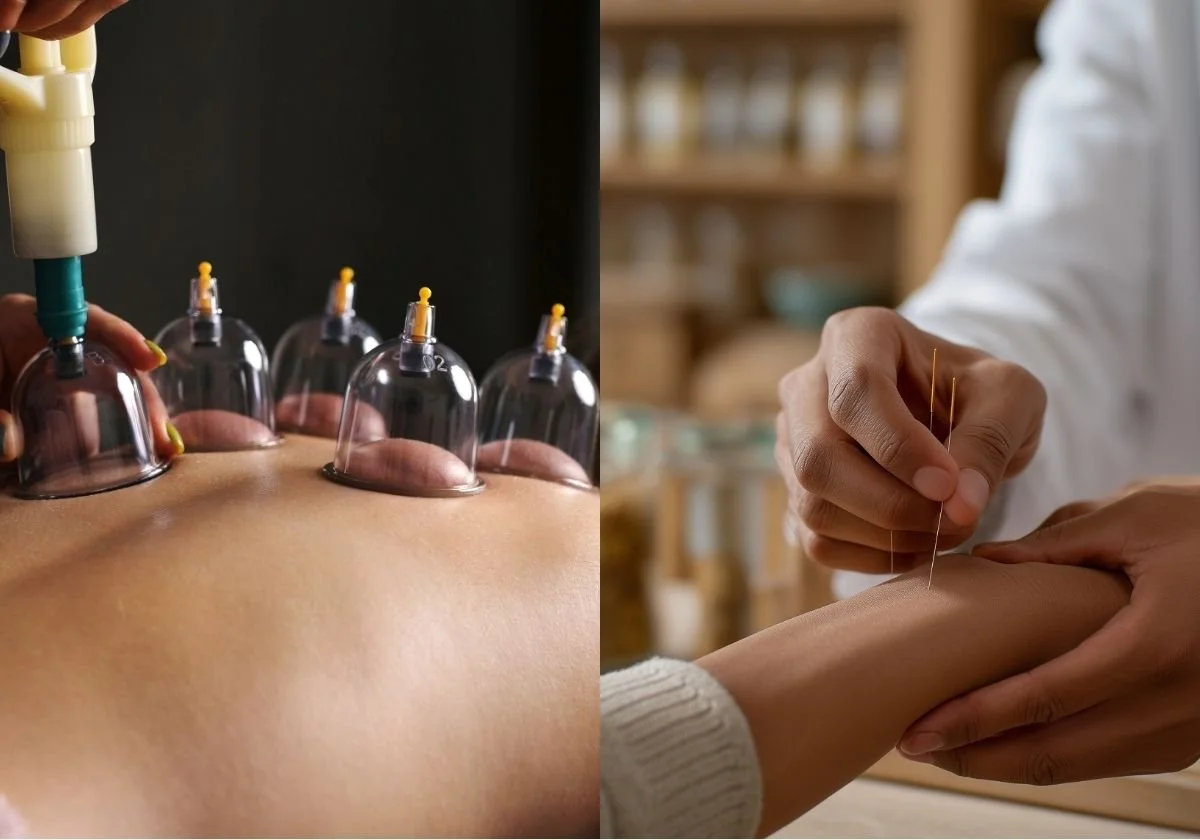
When exploring natural wellness therapies, many people find themselves comparing cupping therapy vs acupuncture. Both treatments are widely used to support pain relief, stress management, recovery, and overall well-being, but they work in diverse ways and may serve different needs.
If you are new to holistic wellness or trying to decide which treatment best fits your goals, understanding the differences can help you make an informed decision.
While cupping therapy vs acupuncture is a common comparison, the reality is that both therapies can complement one another and support long-term wellness.
Understanding Acupuncture
Acupuncture involves the placement of very fine needles at specific points on the body to support balance, circulation, and nervous system regulation.
Many individuals seek acupuncture for:
Stress management
Sleep support
Chronic pain relief
Headaches and migraines
Hormonal balance
Digestive concerns
One reason people compare cupping therapy vs acupuncture is because acupuncture addresses both physical and emotional wellness, making it a versatile treatment option.
Acupuncture works by encouraging the body's natural healing processes while helping regulate internal systems that influence overall health.
Understanding Cupping Therapy
Cupping therapy uses specialized cups placed on the skin to create suction. This gentle suction helps increase circulation, release muscle tension, and support recovery.
Individuals often choose cupping for:
Tight muscles
Athletic recovery
Neck and shoulder tension
Back discomfort
Stress-related physical tension
When discussing cupping therapy vs acupuncture, many people find cupping especially beneficial when muscle tightness and restricted movement are primary concerns.
The sensation is often described as a deep release of tension that leaves the body feeling lighter and more relaxed.
Cupping Therapy vs Acupuncture: How They Differ
While both therapies promote healing, they achieve it through different techniques.
Acupuncture Focuses on Internal Balance
Acupuncture works by stimulating specific points that influence circulation, nervous system function, and overall wellness. For many individuals comparing cupping therapy vs acupuncture, acupuncture may be the preferred option when addressing stress, sleep concerns, hormonal health, or chronic conditions.
Cupping Focuses on Muscle Release
Cupping primarily targets physical tension by improving blood flow and releasing tight tissue.
When evaluating cupping therapy vs acupuncture, people experiencing persistent muscle tightness often appreciate the immediate sense of physical relief that cupping can provide.
Different Sensations During Treatment
Acupuncture is generally calming and relaxing, with most individuals feeling little more than a slight sensation at needle insertion. Cupping creates a pulling sensation on the skin that many clients find deeply therapeutic. This difference often becomes an important factor when choosing between cupping therapy vs acupuncture.
Can Cupping and Acupuncture Be Used Together?
Absolutely, many practitioners combine cupping and acupuncture during the same treatment session to address multiple concerns at once.
This approach, often referred to as acupuncture cupping therapy, allows clients to benefit from both nervous system regulation and muscular release.
Combining therapies may help:
Improve circulation
Reduce tension
Support recovery
Enhance relaxation
Promote overall wellness
For some individuals, cupping therapy vs acupuncture is not necessarily an either-or decision. Instead, the two treatments may work well together.
What Is Acupuncture Cupping?
Many first-time clients ask, what is acupuncture cupping?
The term generally refers to treatment plans that incorporate both acupuncture and cupping within the same session.
By combining the benefits of acupuncture cupping, practitioners can create a more comprehensive wellness experience tailored to individual needs.
This integrated approach allows the body to receive support on multiple levels, from muscular tension relief to deeper internal balance.
As interest in holistic wellness continues to grow, cupping acupuncture treatments have become increasingly popular among those seeking personalized care.
Which Treatment Is Right for You?
Choosing between cupping therapy vs acupuncture depends on your goals and symptoms.
You may prefer acupuncture if you are seeking support for:
Stress and anxiety
Sleep concerns
Hormonal balance
Digestive wellness
Chronic health concerns
You may prefer cupping if you are dealing with:
Muscle tightness
Physical tension
Athletic recovery
Restricted mobility
When comparing cupping therapy vs acupuncture, many people discover that the best option depends on their individual wellness journey.
The RHOW Approach to Personalized Wellness
At RHOW, our experienced practitioners take the time to understand your symptoms, lifestyle, and wellness goals before recommending treatment.
Whether you are exploring acupuncture, cupping, or a combination of both, every session is tailored to your individual needs in a calm and restorative environment. Our focus is on supporting lasting wellness through personalized care rather than simply addressing symptoms.
For many clients comparing cupping therapy vs acupuncture, a consultation provides valuable guidance in determining which treatment may offer the greatest benefit.
Conclusion
When comparing cupping therapy vs acupuncture, there is no single answer that works for everyone. Both therapies offer unique benefits and can support various aspects of health and wellness. Acupuncture may be ideal for individuals seeking internal balance and nervous system support, while cupping often focuses on relieving physical tension and improving circulation. In many cases, combining the two therapies can provide a more comprehensive wellness experience. Understanding your goals is the first step toward choosing the treatment that best supports your journey to better health.
FAQs
Q1: Is acupuncture better than cupping therapy?
Neither treatment is universally better. When comparing cupping therapy vs acupuncture, the right choice depends on your symptoms, wellness goals, and personal preferences.
Q2: Can I receive cupping and acupuncture during the same appointment?
Yes. Many clients benefit from acupuncture cupping therapy, which combines the strengths of both treatments into one personalized session.
Q3: Does acupuncture hurt?
Acupuncture is generally gentle. The needles are extremely thin, and most individuals feel only a slight sensation.
Q4: How do I know which treatment is right for me?
A consultation can help determine whether acupuncture, cupping, or cupping acupuncture therapy aligns best with your needs. At RHOW, treatments are tailored to support your individual wellness goals.
Discover the Right Path to Wellness
Whether you are curious about acupuncture, cupping, or a combination of both, personalized care can help you find the approach that best supports your health goals. Schedule your appointment today and explore a wellness experience designed around your unique needs.