
Hormonal changes can affect sleep, mood, energy, and menstrual cycles at different stages of life. Reflexology may offer a calming wellness experience, but can it actually support hormonal balance? Understanding what this therapy involves and what research says can help you decide whether it fits into your overall wellness routine.
What Is Reflexology?
Reflexology is a complementary wellness practice that involves applying pressure to specific areas of the feet or hands. Practitioners use reflexology maps based on the belief that these areas correspond to different parts of the body.
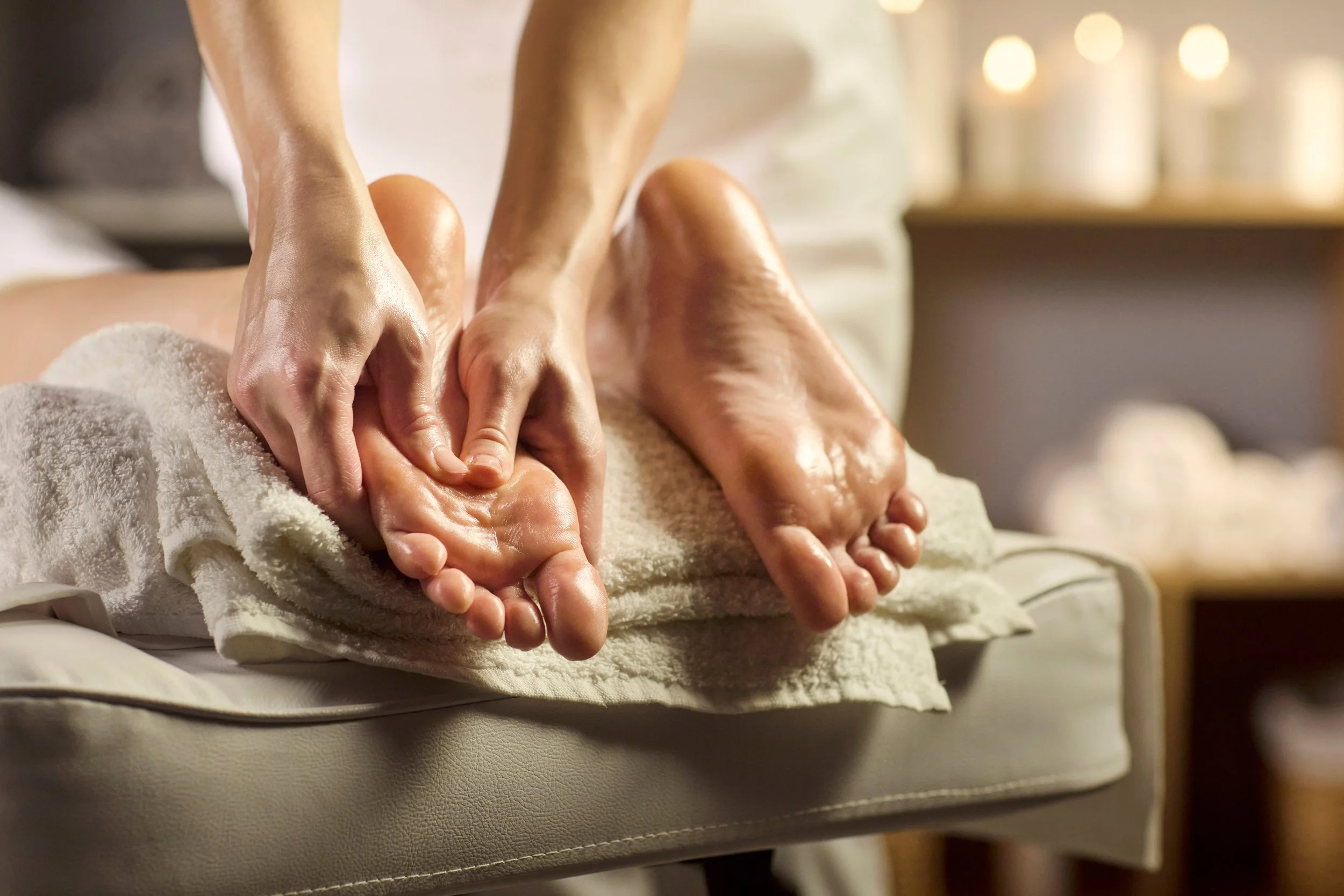
A reflexology session typically takes place in a calm setting, where a practitioner applies controlled pressure using their hands and fingers. Many people choose reflexology as part of a relaxation routine or to make time for personal well-being.
However, the idea that pressure on particular points can directly influence hormone-producing glands or regulate the endocrine system has not been established by strong scientific evidence. Reflexology should therefore be understood as a complementary practice, not a proven method for correcting hormonal imbalances.
Can Reflexology for Hormone Balance Help?
The relationship between reflexology and hormones is an area of interest, particularly among people looking for supportive ways to manage stress and navigate life-stage changes.
Hormones help regulate many body functions, including the menstrual cycle, sleep, metabolism, and mood. Stress can also affect how a person feels physically and emotionally. Taking time to relax may help support general well-being, although this is different from directly changing hormone levels.
Reflexology for hormone balance may be considered as part of a broader self-care routine when the goal is relaxation. Some people find the experience calming, but there is not enough reliable evidence to conclude that reflexology balances hormones, regulates the menstrual cycle, or treats endocrine conditions.
The most useful approach is to keep expectations realistic and consider reflexology alongside appropriate medical guidance when hormonal symptoms are present.
Reflexology for Relaxation and Everyday Well-Being
One reason people explore reflexology is the opportunity to slow down and step away from daily demands. A session may provide quiet time, gentle physical touch, and a comfortable environment.
Potential wellness benefits may include:
Time to unwind: A structured session can create space for rest and relaxation.
A calming experience: Gentle pressure may feel soothing and help some people feel less tense.
Greater attention to personal well-being: Regular self-care can encourage people to pay attention to their comfort, stress levels, and daily habits.
Support for a wellness routine: Reflexology may complement other relaxation practices, such as gentle movement, breathing exercises, and adequate sleep.
These possible benefits are not the same as a demonstrated effect on hormone levels. Research into reflexology has produced mixed findings, and its effects on specific medical conditions remain uncertain. The National Center for Complementary and Integrative Health notes that claims that reflexology can heal corresponding body parts have not been proven.
Reflexology for Menopause: What Should You Know?
Menopause is a natural transition involving changes in reproductive hormone levels. During perimenopause and menopause, some people experience hot flashes, sleep disruption, mood changes, or other symptoms that affect daily life.
Reflexology for menopause is sometimes explored as a complementary way to relax and make time for personal care. Some research has investigated reflexology and menopause-related symptoms, but the evidence is limited and does not establish reflexology as an effective treatment for menopause or its symptoms.
If you find a session relaxing, it may have a place in your wellness routine. It should not replace a conversation with a qualified healthcare professional about persistent symptoms or evidence-based treatment options.
Can Reflexology Help With Irregular Cycles?
Irregular menstrual cycles can occur for several reasons, including pregnancy, stress, changes in weight, thyroid conditions, polycystic ovary syndrome (PCOS), and the transition toward menopause. The cause cannot be identified through reflexology.
Although reflexology for irregular cycles may be discussed in complementary wellness settings, there is not enough strong evidence to show that it can regulate periods or correct the underlying causes of cycle changes.
Consider speaking with a healthcare professional if your periods become persistently irregular, stop unexpectedly, become unusually heavy, or are accompanied by significant pain. Seek prompt medical advice for severe bleeding, faintness, or intense pelvic pain.
A medical assessment can help identify the cause and determine whether treatment is needed. Reflexology may be considered separately for relaxation, if appropriate, but it should not delay evaluation.
What to Expect From a Reflexology Treatment
A reflexology treatment generally involves sitting or lying comfortably while a practitioner applies pressure to different areas of the feet or hands. The session may be adjusted to your comfort level and preferences.
Before booking, explain your goals and mention any relevant health concerns, injuries, or sensitivities. Ask the practitioner what the session involves and what outcomes you can reasonably expect.
It is also helpful to remember that reflexology is not a diagnostic tool. A practitioner cannot determine whether your hormone levels are balanced by examining pressure points on your feet or hands.
For people interested in relaxation, the value of a session may lie in the experience itself rather than in a specific hormonal effect.
How to Support Hormonal Health Holistically
Hormonal health is influenced by many factors, and the right approach depends on the symptoms and their underlying cause. Alongside medical care when needed, everyday habits can support general well-being.
Consider these foundations:
Prioritize consistent sleep: Keep a regular sleep schedule and create a relaxing bedtime routine. Explore how reflexology may support sleep quality.
Eat balanced meals: Include a variety of nourishing foods and avoid restrictive changes without appropriate guidance.
Move regularly: Choose physical activity that fits your ability, preferences, and stage of life.
Manage stress: Explore breathing exercises, meditation, yoga, or other practices that help you unwind.
Seek professional guidance: Discuss ongoing menstrual changes, persistent fatigue, or other concerning symptoms with a qualified healthcare professional.
Reflexology may complement these habits if you enjoy it, but no single wellness practice can guarantee hormonal balance.
Frequently Asked Questions
1. Does reflexology balance hormones?
There is currently insufficient strong scientific evidence to show that reflexology balances hormones or treats hormonal disorders. It may be used as a complementary relaxation practice.
2. Can reflexology help with menopause symptoms?
Some studies have explored reflexology for menopause-related concerns, but the evidence remains limited. It should not replace medical advice or established treatment options.
3. Is reflexology helpful for irregular menstrual cycles?
Reflexology has not been shown reliably to regulate menstrual cycles. Persistent or unusual changes should be discussed with a healthcare professional to identify possible causes.
4. How often should someone have reflexology?
There is no established schedule for hormonal health because reflexology has not been proven to treat hormonal imbalances. If you choose to try it for relaxation, discuss session frequency and comfort with a qualified practitioner.
Make Time for Your Well-Being at RHOW
Well-being can include making space to relax, noticing what your body needs, and seeking appropriate support when something changes. Reflexology may be one part of a personal wellness routine, with realistic expectations about what it can and cannot do.
Explore reflexology at RHOW as part of your approach to relaxation and holistic well-being. For concerns about hormonal symptoms, work with a qualified healthcare professional to understand the cause and discuss suitable care.