
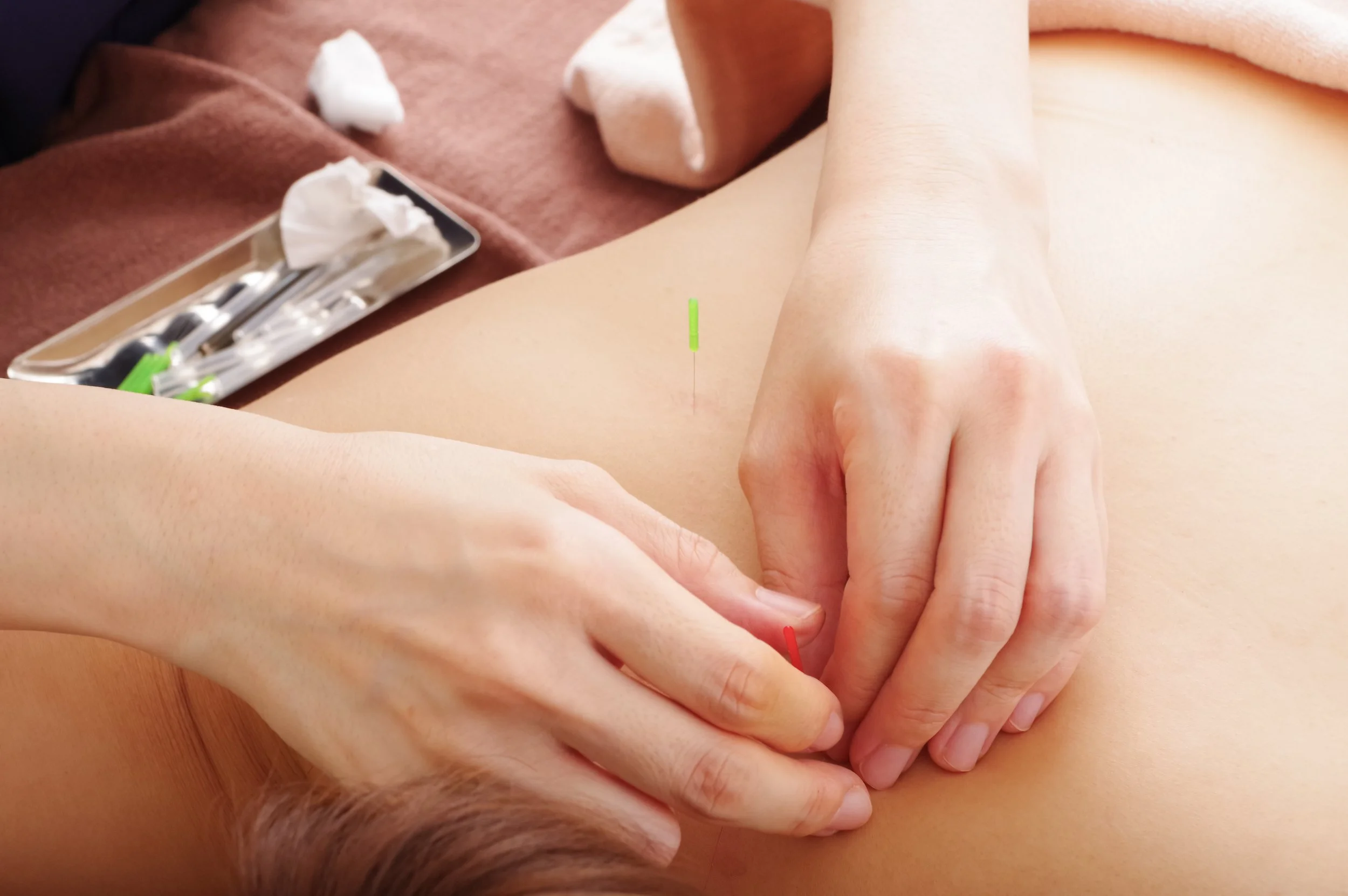
Finding time to slow down can be difficult when daily responsibilities leave you feeling tense or overwhelmed. Acupuncture with moxibustion combines two traditional practices that use fine needles and gentle heat as part of a complementary wellness approach.
Understanding how this treatment works, what a session involves, and what research says can help you decide whether it suits your personal wellness goals.
What Is Moxibustion?
Moxibustion is a traditional therapy that uses heat from burning dried mugwort, an aromatic herb, to warm specific points on the body. These points often overlap with those used in acupuncture.
In traditional Chinese medicine, practitioners use moxibustion to support the body's balance and circulation of qi, often described as vital energy. These concepts are part of the traditional framework for the practice and should not be confused with established explanations of how the body functions medically.
Moxibustion may be performed on its own or alongside acupuncture. When both are used in one session, the approach is commonly called acupuncture with moxibustion.
The treatment is intended to provide targeted warmth and stimulation. Some people explore it as part of a broader wellness routine, including when they want to make time for relaxation.
How Does Moxibustion Work?
Moxibustion works by applying heat near selected acupuncture points. The practitioner burns a prepared form of mugwort, known as moxa, and positions it to warm the intended area.
There are different ways to perform the treatment:
Indirect moxibustion: The burning moxa is held near the skin or used with a suitable device so that the heat reaches the area without direct contact.
Moxibustion with acupuncture: Moxa may be placed on or near an acupuncture needle to combine needle stimulation with warmth.
Direct moxibustion: Moxa is applied directly to the skin. This method carries a risk of burns and requires particular care.
When combined with acupuncture, the practitioner selects the points and method according to the treatment plan and the person's needs.
From a scientific perspective, researchers have investigated the effects of heat and other factors involved in moxibustion.
However, its precise mechanisms are not fully understood, and evidence supporting its effectiveness varies by condition. More high-quality research is needed to establish many of the claimed effects.
How Can Acupuncture With Moxibustion Support Relaxation?
A session involving acupuncture and moxibustion may offer a dedicated period away from everyday demands. The warmth may feel soothing, while the calm treatment environment can provide time to pause and focus on personal well-being.
Potential reasons people explore this approach include:
A calming wellness experience: The treatment may provide a structured opportunity to rest and unwind.
Gentle warmth: Some people find the sensation of warmth comfortable when it is applied safely.
A complementary self-care practice: Moxibustion may be incorporated into a wider routine that includes appropriate movement, rest, and stress-management practices.
Personalized care: A qualified practitioner can discuss comfort, treatment preferences, and whether the approach is suitable for the individual.
These experiences are not guaranteed, and feeling relaxed during a session does not necessarily mean that a specific health condition has improved.
Research on moxibustion remains limited for many uses, so its potential benefits should be considered carefully rather than assumed.
What Are the Potential Benefits of Moxibustion?
The benefits of moxibustion depend on the reason it is being considered and the available evidence for that use. Research has explored moxibustion for various concerns, including certain types of pain, fatigue, and other symptoms. Findings are mixed, and some studies have important limitations.
It is therefore more accurate to describe moxibustion as a complementary therapy with potential applications under investigation, rather than a treatment proven to improve overall health or prevent illness.
If your primary goal is relaxation, consider how the session feels and whether it fits comfortably into your wellness routine. If you are seeking help for persistent pain, fatigue, sleep difficulties, or another ongoing concern, speak with a qualified healthcare professional about the available options.
Moxibustion should complement appropriate medical care, not replace diagnosis or evidence-based treatment.
What to Expect During a Moxibustion Treatment
Before beginning, the practitioner should explain the procedure, the type of moxibustion being used, and the sensations you may experience.
During an indirect treatment, you may notice a gradual feeling of warmth around the selected points. The practitioner should monitor the temperature and your comfort throughout the session. You should communicate immediately if the heat feels too strong, painful, or uncomfortable.
If acupuncture is included, fine needles will be inserted at selected points by the practitioner. The treatment plan and session length can vary according to the approach being used.
Moxibustion involves burning plant material, so smoke, odor, and ventilation are also relevant considerations. Ask about these factors before booking, especially if you are sensitive to smoke.
Is Moxibustion Safe for Everyone?
Moxibustion is not suitable for everyone. Burns, blisters, allergic reactions, and irritation from smoke are possible risks. People with asthma or other respiratory sensitivities should discuss the risks before treatment.
Tell the practitioner if you are pregnant, have reduced skin sensation, have a skin condition in the treatment area, or have an allergy to mugwort. Pregnancy requires particular caution, and treatment should only be considered with appropriate professional guidance.
Choose a trained practitioner who follows appropriate safety and hygiene practices. If a treatment causes burning pain or significant discomfort, it should be stopped immediately.
Make Time for Well-Being at RHOW
Well-being can begin with making space to slow down and choose practices that suit your needs. Acupuncture with moxibustion may be one complementary option to explore, provided you understand its limitations and safety considerations. location details
At RHOW, moxibustion is one of several holistic wellness services available alongside functional nutrition, therapeutic massage, reflexology, Reiki, and yoga
Frequently Asked Questions
1. What does moxibustion do?
Moxibustion applies heat from burning mugwort to selected points on the body. It is used in traditional practice for a range of concerns, but scientific evidence for its effects varies by condition.
2. Is moxibustion always combined with acupuncture?
No. Moxibustion can be used alone or alongside acupuncture. The choice depends on the treatment approach and the individual's circumstances.
3. How often should someone receive moxibustion therapy?
There is no single recommended schedule for general wellness. Frequency depends on the reason for treatment, the practitioner's assessment, and the available evidence. Discuss your goals and expectations before starting.
4. Does moxibustion hurt?
Indirect moxibustion should produce warmth rather than burning pain. Excessive heat can cause injury, so the practitioner should monitor the treatment closely and adjust it if needed.
Explore RHOW's wellness services and find an approach that aligns with your goals.